Comboni Alliance for Social Entrepreneurship (CASE) and the African Jesuit AIDS Network (AJAN) decided to join forces with a simple but bold goal: equip young people in the DRC with the tools to change their communities from within. What has followed is a growing movement of faith-driven social innovation, one that is taking root in youth groups, parishes, and neighbourhoods across the country.
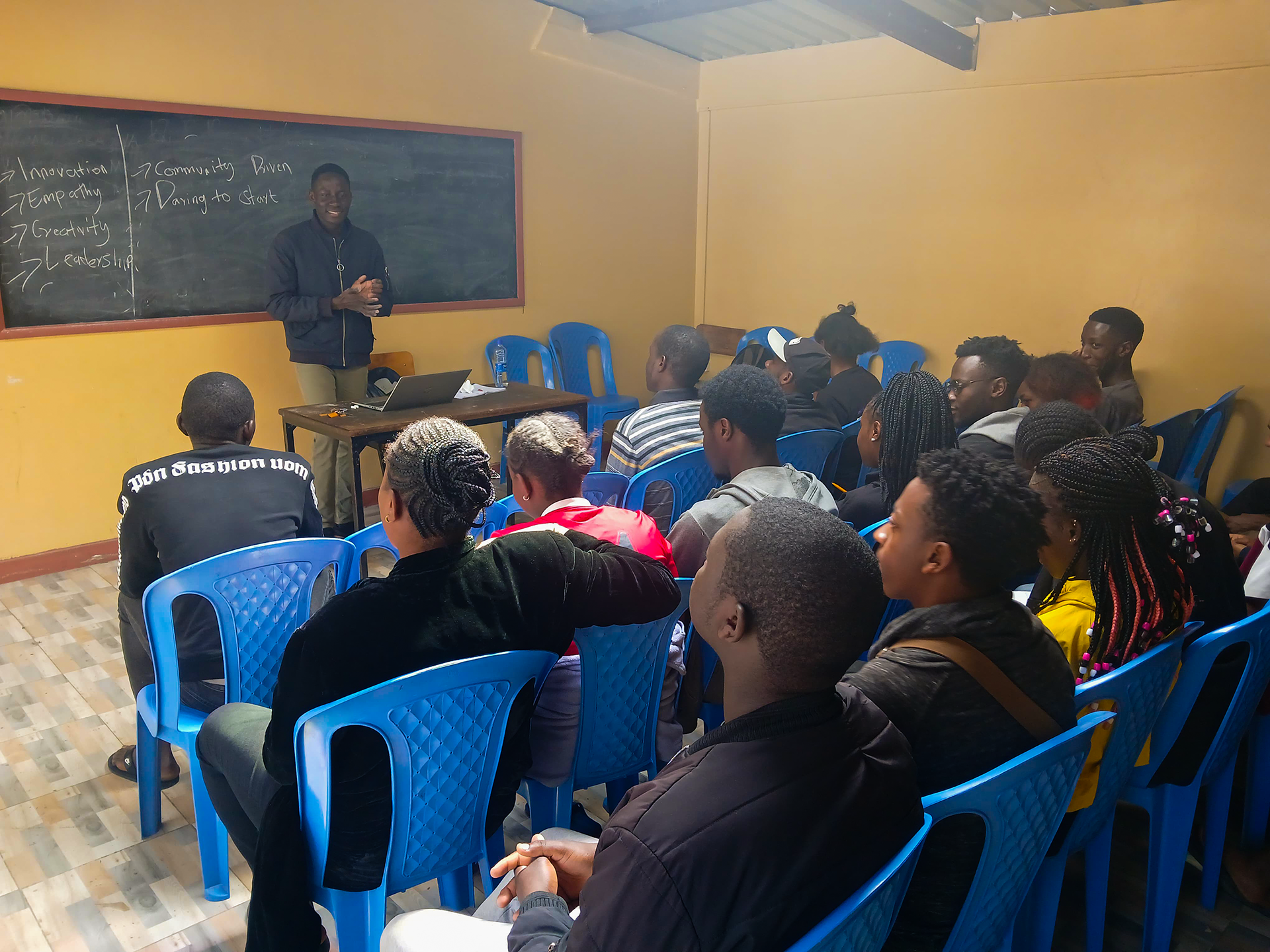
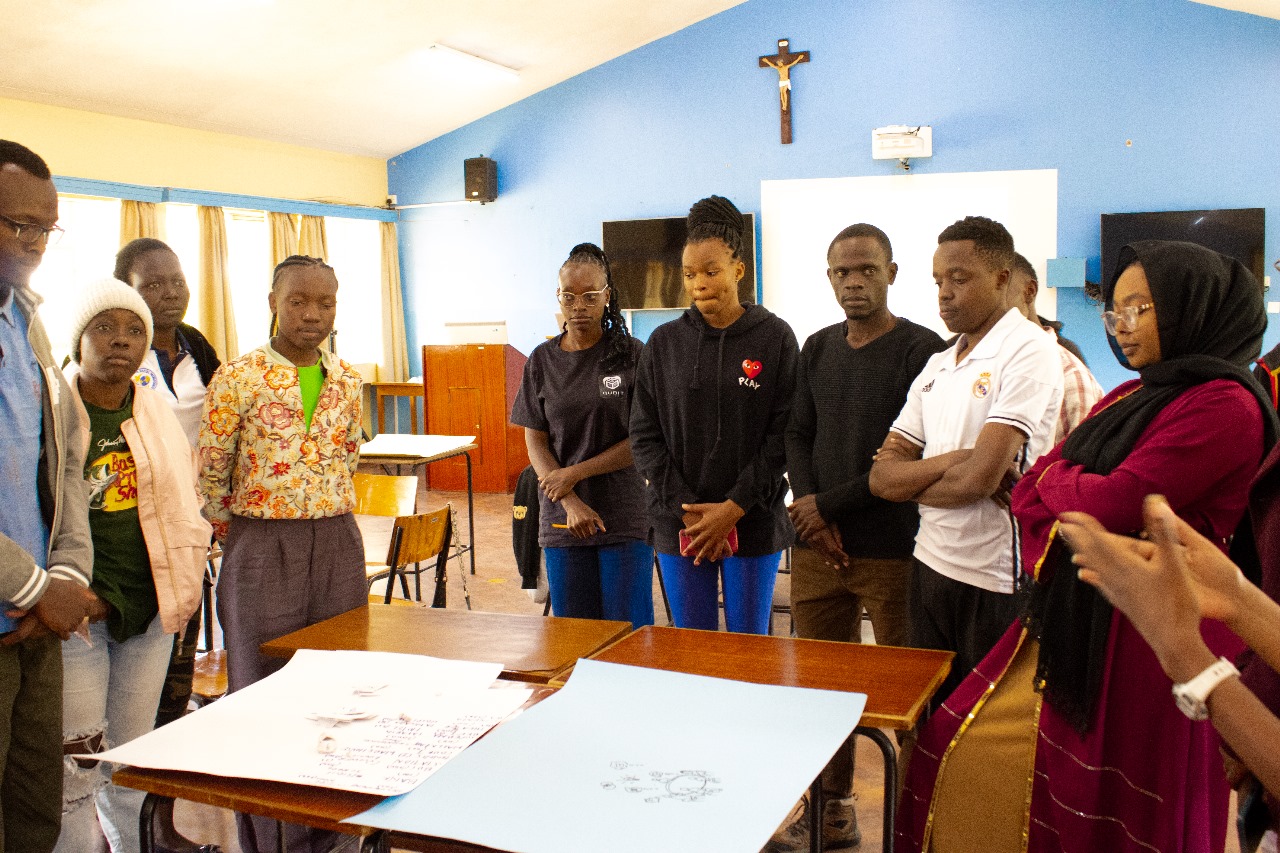
At the centre of this movement are the AJAN trainers. After undergoing a Training of Trainers (ToT) facilitated by CASE, they left not only with new knowledge but with a new way of seeing the communities they serve. When they returned to their centres to train groups of youth, the trainers used the lean startup process to help participants examine the challenges around them, validate what mattered most, and gradually turn those insights into small, viable solutions rooted in their own communities.
A Pastoral Model for Innovation
This work is not a typical entrepreneurship programme. It is grounded in a pastoral approach, one where accompaniment, dignity, and community stewardship matter as much as problem-solving. It is a model that any Church can adopt: start with the people, recognise their gifts, and guide them to use what they already have to transform their environment.
And it works.
The data collected from the youth clinics shows young people stepping forward with a remarkable level of creativity and moral purpose, powered not by capital, but by conviction and the resources immediately available to them.
Youth Taking On Real Problems With What They Have
The ventures that emerged from the trainings paint a picture of young people tackling the most urgent socio-economic and environmental challenges in their communities.
Many of the projects focus on transforming waste into value, addressing issues like pollution, food insecurity, and unemployment. Young innovators recycle plastic into paving stones, convert organic waste into bio-fertiliser, and turn coconut shells into ecological charcoal, reducing deforestation and lowering household costs.
Others look to local land and natural assets, such as growing high-quality potatoes in fertile soil to replace expensive imports, producing moringa-based nutritional supplements, or using mangroves to create new income streams like honey and seafood.
Some projects respond directly to women’s vulnerability and youth unemployment by creating jobs for single mothers, engaging young people in waste collection value chains, and building cooperatives where training and income generation go hand in hand.
And across the board, the challenges young people chose to address – hunger, high food costs, malnutrition, pollution, unsafe urban environments, and climate vulnerability – reflect realities their communities face daily.
These are not abstract problems. They are lived experiences and the youth are responding with solutions rooted in their own context.
Competence, Confidence, and Community Leadership
Beyond the ventures themselves, the youth clinics revealed something equally important: young people are developing a powerful set of competencies.
They have gained:
- Technical skills, such as agroecology, composting, bio-charcoal production, ICT literacy, and even renewable energy system installation.
- Entrepreneurial skills, including cost analysis, product development, MVP testing, marketing, and financial planning.
- Community engagement skills, from conflict resolution to environmental education to building local governance structures like neighbourhood agreements (Dina) and cooperation systems.
This blend of technical ability and ethical leadership is precisely what the CASE–AJAN collaboration set out to cultivate: young people who are not just job seekers, but community transformers.
A Model Worth Replicating
What makes this initiative stand out is its simplicity and adaptability.
AJAN’s pastoral presence + CASE’s social innovation methodology + local youth =
a model of Church-led development that is both spiritual and practical.
- It does not depend on external funding.
- It uses what communities already have.
- It builds on Catholic social teaching: dignity, stewardship, community, solidarity.
- And it positions the Church as a facilitator of local innovation, not just a service provider.
The outcomes are already clear: young people are identifying problems, designing solutions, testing ideas through a lean startup lens, and building ventures that directly address unemployment, waste, food insecurity, and environmental degradation.
Conclusion
The early results from the DRC youth training clinics show enormous potential. With more support, AJAN trainers could reach even more centres. Youth-led ventures could evolve into fully fledged social enterprises. Parishes could become hubs of practical innovation. And the CASE–AJAN partnership could become a continental example of what happens when faith and innovation work together.
But even at this stage, one thing is unmistakable: the seeds of transformation have been planted — and the youth are the ones watering them.