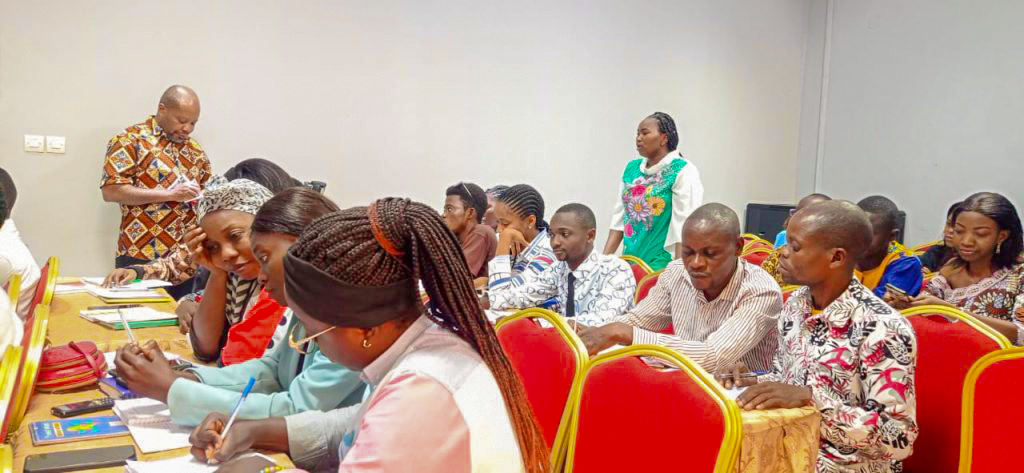
From 20th to 22nd June 2024, the Comboni Alliance for Social Entrepreneurship (CASE) partnered with the African Jesuit AIDS Network (AJAN) and AgroMwinda to host a three-day social entrepreneurship training programme at Boboto College in Kinshasa, Democratic Republic of the Congo (DRC).
Titled “Social Entrepreneurship Training for Job Creation for a Self-Reliant Church”, the programme brought together 44 participants; 28 men & 16 women from 14 parishes across seven dioceses. The aim was to introduce participants to the principles of social entrepreneurship within a faith context, equipping them with tools to develop sustainable innovations that respond to Africa’s pressing social and economic challenges.
The parishes represented included Bx Bakanja, St Esprit, Christ Roi Mangobo in Kisangani, Dame Dame de la Miséricorde de Cimpunda in Bukavu, St Pierre Claver in Kinshasa, St Sauver in Popokabaka, and Sacre Cœur in Kikwit.
Unlocking the Innovative Potential of Youth
The training opened with an address by Fr. Ismael Matambura SJ, Director of AJAN, who emphasised the importance of harnessing the innovative potential of young people to respond to urgent community issues. He linked this mission to AJAN’s work in combating HIV, Tuberculosis (TB), Human Papillomavirus (HPV), Cholera, and Hepatitis C, underscoring how social entrepreneurship can create sustainable, scalable, and accessible solutions that advance health, education, and social justice.
Learning the Foundations of Social Innovation
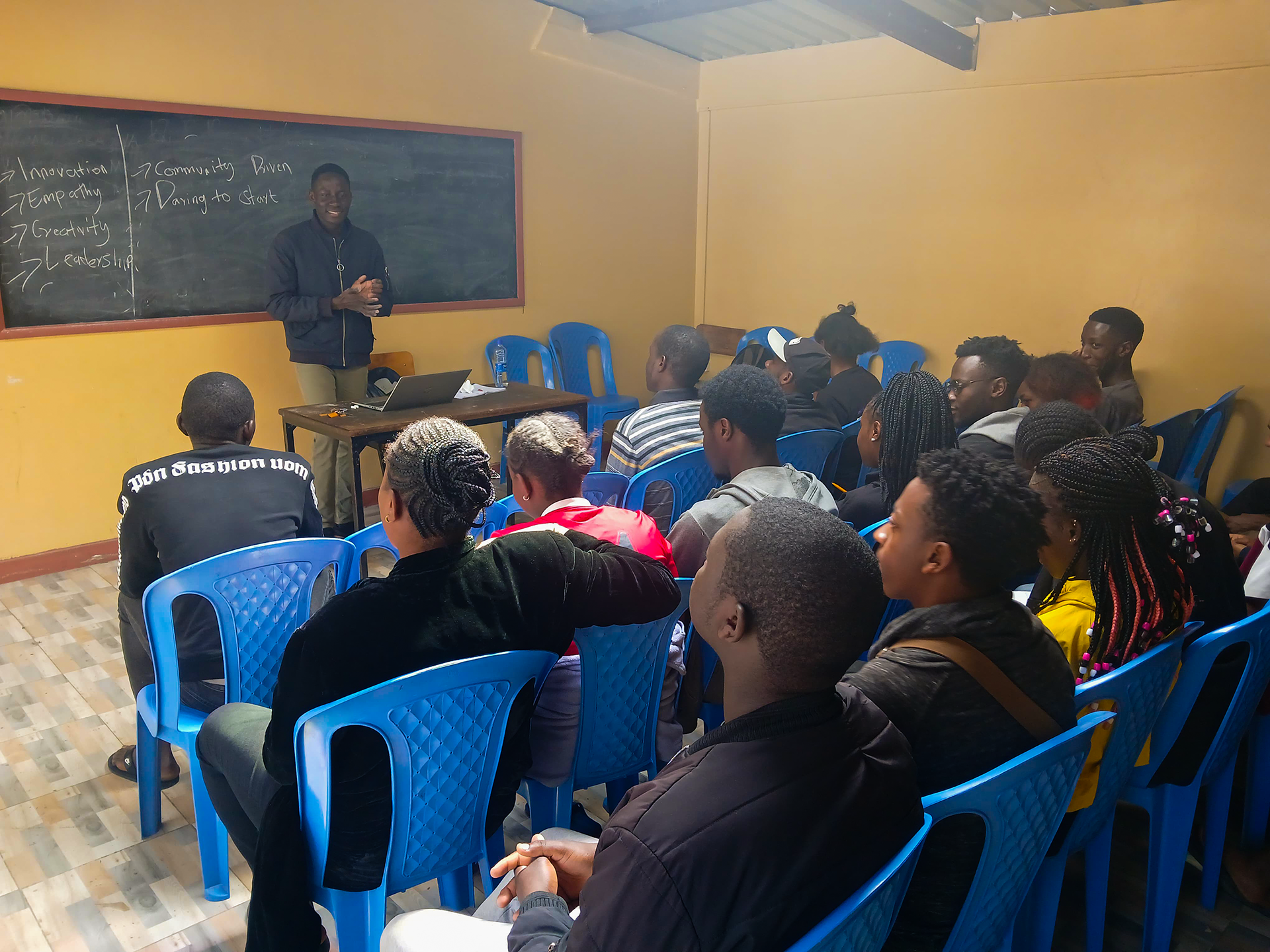
The first training session was facilitated by Dr. Br. Jonas Yawovi Dzinekou, Director of the Institute for Social Transformation at Tangaza University in Nairobi, Kenya. He introduced participants to the concept of social entrepreneurship, explaining how faith-inspired innovation can generate economic, social, and environmental benefits. Participants were encouraged to engage fellow youth upon returning to their parishes and to become agents of transformation grounded in Gospel values and the mission of the Church.
During this session, participants were also introduced to the 3ZERO Club, an initiative inspired by Nobel Peace Laureate Professor Muhammad Yunus, which envisions a world with Zero Unemployment, Zero Poverty, and Zero Net Carbon Emissions. The 3ZERO movement equips young people in Africa with the skills to drive social innovation, environmental stewardship, and entrepreneurship.
Applying the “Three Zeros” in Practice
On the second day, participants explored how to integrate the Three Zeros framework into their own projects and parish activities. Br. Yawovi encouraged the formation of 3ZERO Clubs in each parish to create a network of changemakers committed to sustainable development and community empowerment. These clubs will connect with others across Africa, strengthening the movement toward a more inclusive and equitable future.
Mr. Symphorien Pyana, CEO of AgroMwinda, shared insights on how the organisation partners with young people and farmers in the DRC to tackle unemployment and poverty. He highlighted the importance of business planning, management skills, and collaboration, urging participants to transform ideas into viable enterprises that contribute to local economic growth.
Building Sustainable Impact
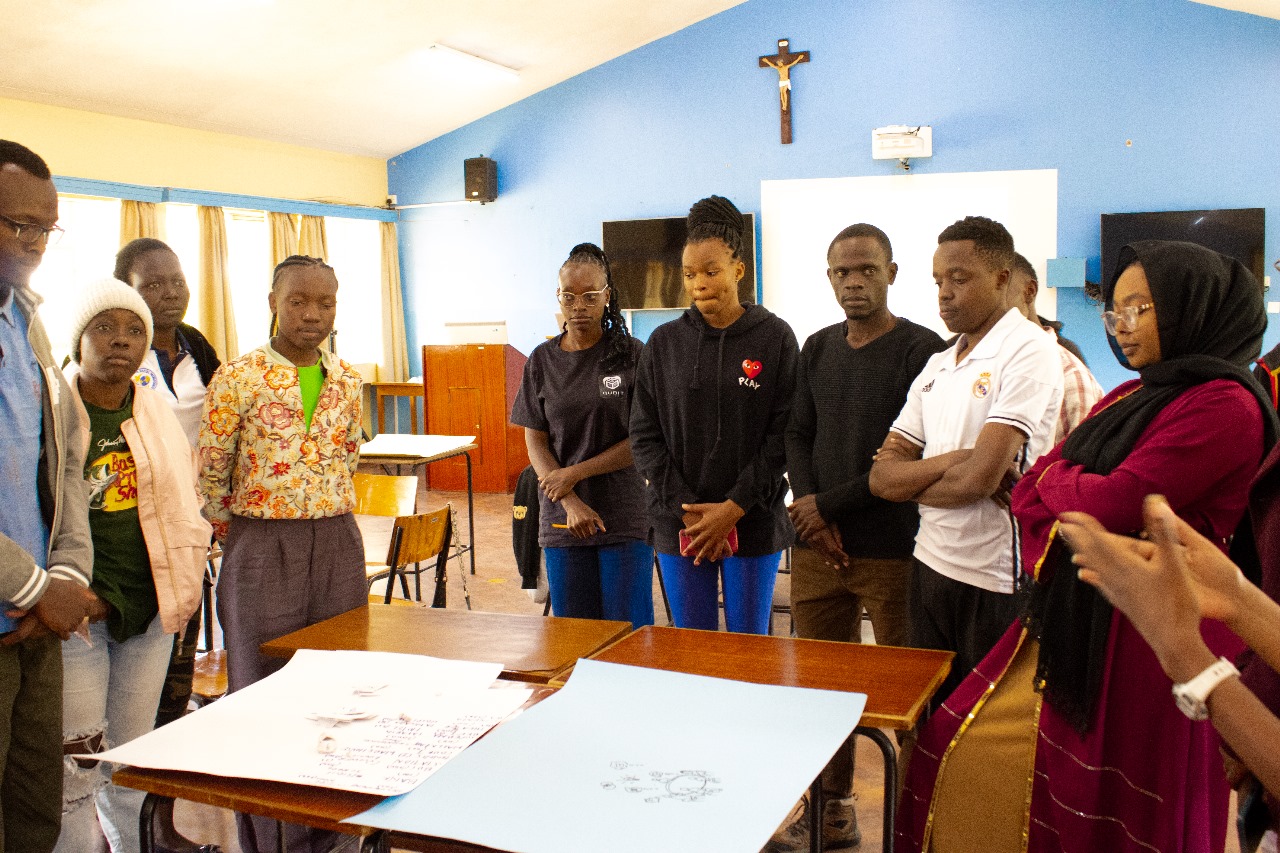
On the final day, participants received Samsung smartphones, provided by AgroMwinda, to help them track their projects, document progress, and develop business plans. Working in parish-based groups, they designed action plans to address the social and environmental challenges facing their communities, guided by the principles of social innovation and faith-based leadership.
The programme concluded with a commissioning Mass, where all 44 participants lit candles to symbolise their commitment to becoming catalysts of social transformation within their parishes and dioceses.
Strengthening the Church’s Mission of Social Transformation
The partnership between CASE, AJAN, and AgroMwinda demonstrates a shared vision of empowering African youth to become social innovators who drive change within the Church and their communities. Through continuous mentorship, capacity building, and networking, this initiative enables participants to translate their faith into practical, sustainable action.
By fostering creativity, leadership, and entrepreneurship among the youth, the programme contributes to building a self-reliant Church and a resilient society—one capable of addressing poverty, inequality, and climate change through social innovation and collective responsibility.